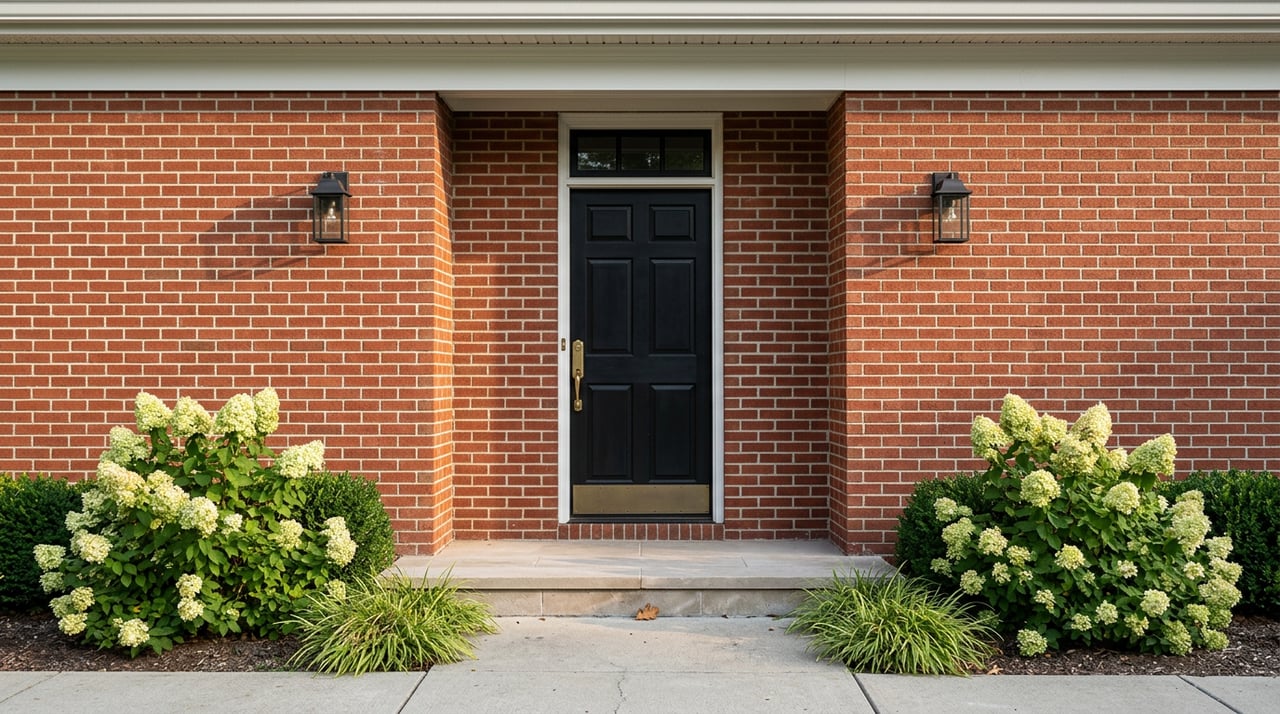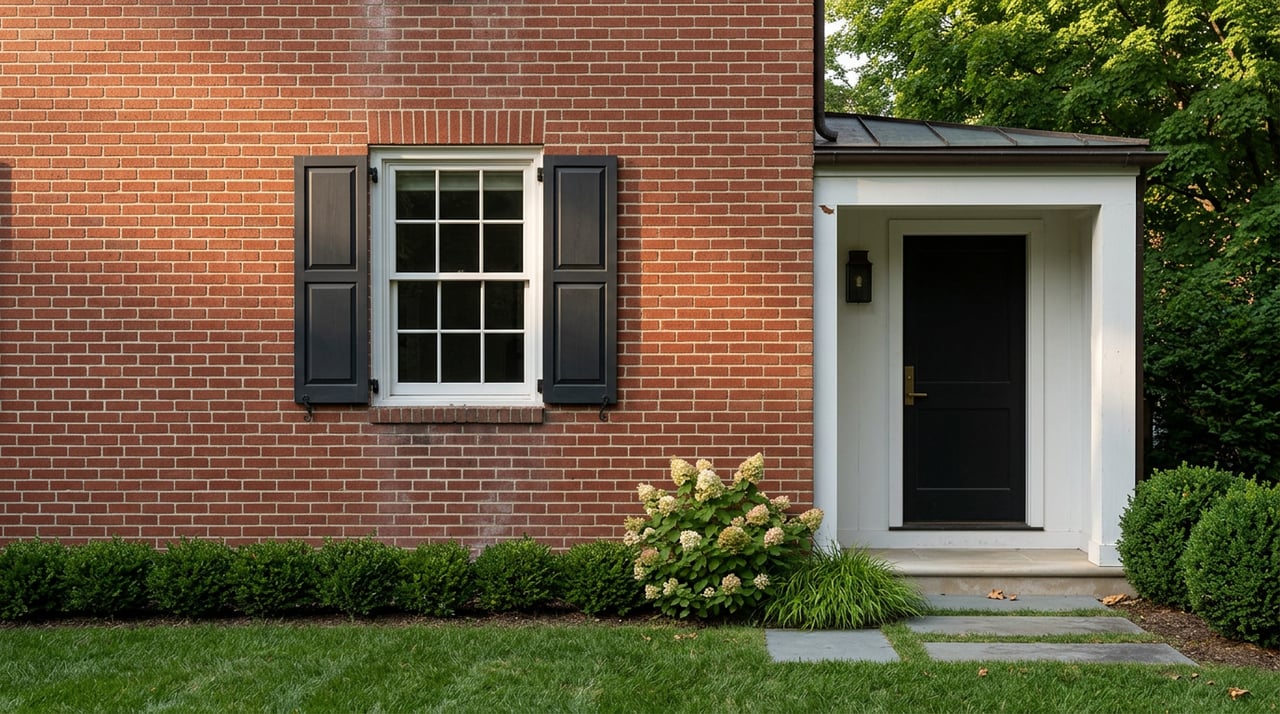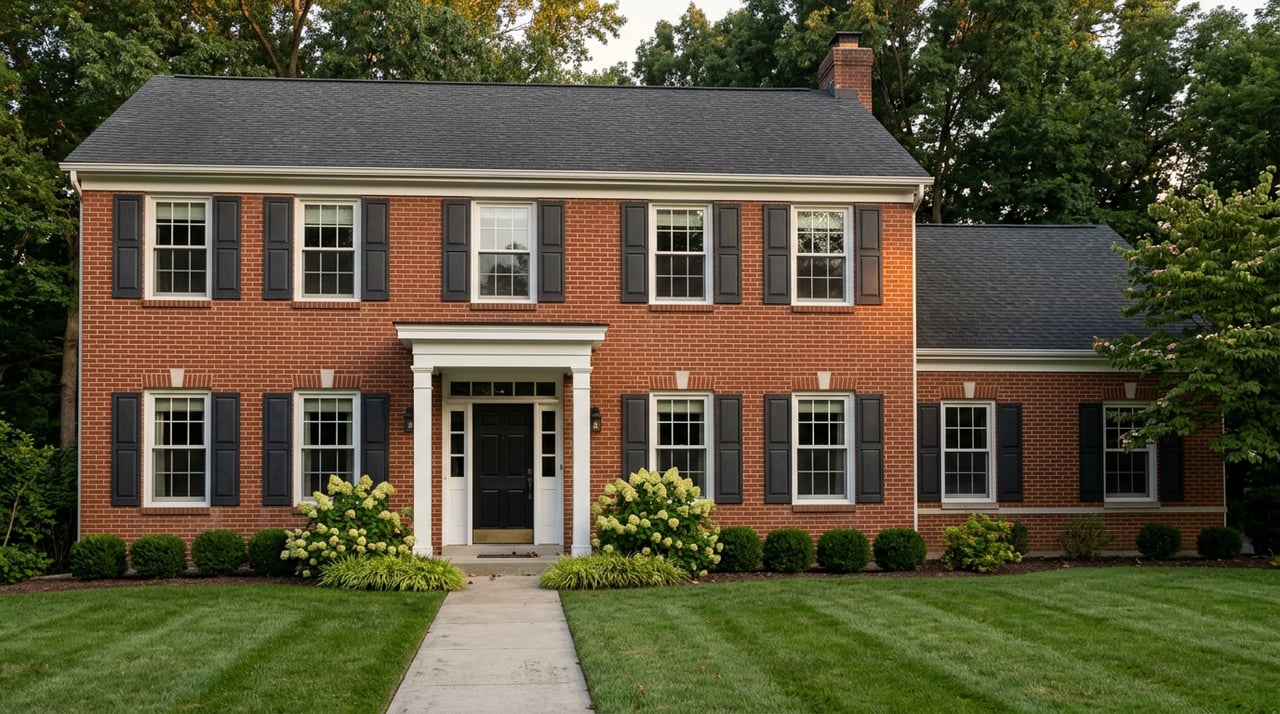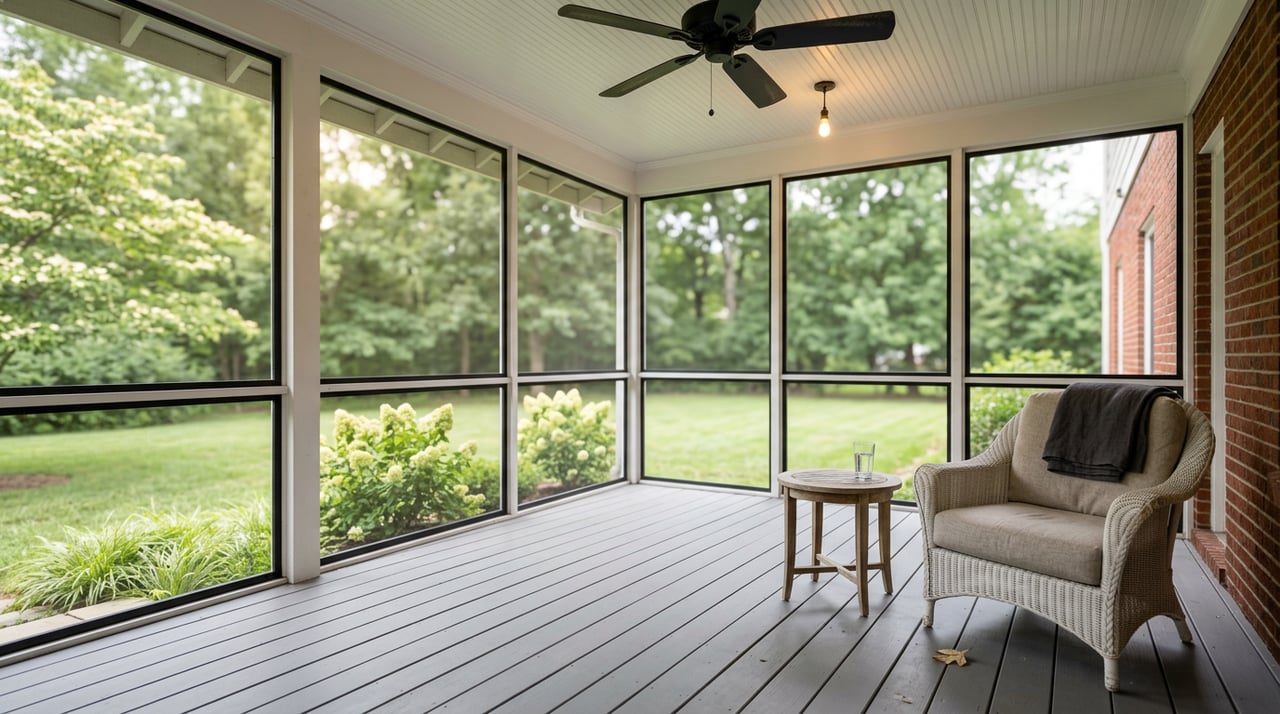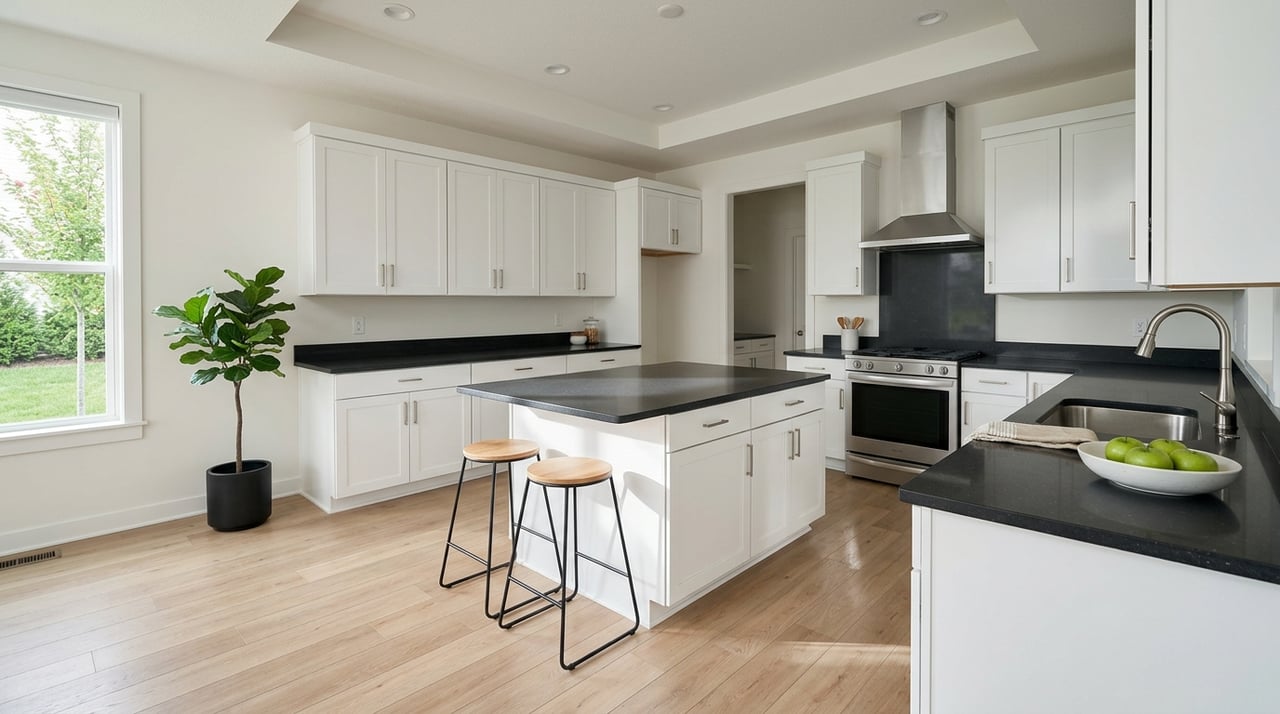
If you are thinking about selling in Gahanna, here is the good news: buyers are still active. Here is the catch: they are paying close attention to condition, presentation, and price. A little work before you list can help you avoid delays, reduce stress, and put your home in a stronger position from day one. Let’s dive in.
Why prep matters in Gahanna
Gahanna is a largely owner-occupied market, with the city reporting a 74% owner-occupancy rate. It is also close to downtown Columbus and John Glenn International Airport, which means many buyers are comparing convenience along with overall home condition. In a market like this, your home often needs to feel well cared for, not just well located.
Gahanna also has a more mature housing stock. The city reports that 76% of housing units were built between 1960 and 1999, and only 12% were built after 2000. For many sellers, that means small repairs, clean finishes, and visible upkeep can make a meaningful difference.
Recent local market numbers reinforce that point. In the March 2026 Gahanna Jefferson City School District report, there were 50 closed sales, a median sales price of $447,450, 32 days on market, 39 homes for sale, and 0.7 months of inventory. Even with limited inventory, buyers are still weighing whether a home feels move-in ready and priced appropriately.
Start 30 to 90 days early
The best time to prepare your home is usually before you feel rushed. Starting 30 to 90 days before listing gives you time to handle repairs, paperwork, cleaning, and pricing without scrambling at the last minute. It also gives you room to make better decisions about what is worth doing and what is not.
This early window matters because some projects take longer than expected. Contractor schedules, permit questions, paint touch-ups, and document gathering can all eat into your timeline. When you plan ahead, you are more likely to hit the market looking polished and organized.
Fix the issues buyers notice first
You do not need a full remodel to make a strong impression. In many cases, the most valuable pre-listing work is simple, visible, and relatively affordable. Buyers tend to notice signs of deferred maintenance right away.
Focus first on items like:
- Dripping faucets
- Loose hardware
- Peeling caulk
- Scuffed walls
- Burned-out light bulbs
- Sticky doors
- Scratched flooring
- Dirty grout
- Minor paint touch-ups
These issues may seem small when you live in the home every day. To a buyer, they can suggest that bigger maintenance items may have been overlooked too. In an older suburban housing market, that perception can affect how your home shows and how confidently buyers make offers.
Check permit questions before bigger work
If you move beyond cosmetic fixes, pause before starting. Gahanna’s Planning Department says the Building Division handles permits for residential and trade work such as electric, HVAC, and gas projects, and it inspects construction activity for compliance with city and state codes.
That means if you are addressing larger repair items, it is smart to confirm what needs a permit, what should be inspected, and what records you should keep. Buyers may ask about past work, and having clear documentation can help keep your transaction moving smoothly.
Gather your seller paperwork early
One of the smartest things you can do before listing is start your disclosure paperwork early. Ohio law requires most sellers of residential real property to complete and deliver a signed property disclosure form. That form covers material matters within your actual knowledge, including the source of water, sewer system, roof, foundation, walls, floors, hazardous materials, and other material defects.
This is more than a formality. It is a practical way to take inventory of your home’s condition before your listing goes live. If there is a question about the roof, foundation, mechanicals, or a past repair, you want time to gather details rather than trying to piece everything together during negotiations.
Timing matters with disclosures
Ohio law also makes timing important. If a buyer receives the disclosure form only after entering into a transfer agreement, the buyer may have a short rescission window. In plain terms, getting disclosures done before listing can help reduce avoidable complications later.
It is also helpful to gather supporting records such as:
- Repair receipts
- Contractor invoices
- Warranty information
- Permit and inspection records
- Dates of major updates, if known
If your home was built before 1978, lead-based paint disclosure rules also apply. Buyers of pre-1978 housing must receive known lead information, so it is best to sort that out early as part of your listing prep.
Declutter before you decorate
Before you think about staging, start with decluttering. A cleaner, more open space helps buyers focus on the home itself instead of your belongings. It also makes rooms feel larger, brighter, and easier to understand online and in person.
Go room by room and remove anything that makes the home feel crowded or overly personal. That often includes extra furniture, piles of paper, packed closets, countertop clutter, family photos, and décor that dominates a space. The goal is not to make your home look empty. The goal is to make it feel easy for a buyer to picture themselves there.
Stage the rooms that matter most
According to the 2025 NAR staging report, 29% of agents said staging produced a 1% to 10% increase in offered dollar value, and 49% of sellers’ agents said staging reduced time on market. The same report says buyers care most about the living room, primary bedroom, and kitchen.
If your time or budget is limited, put your effort there first. In Gahanna, where many homes are older but well established, a polished presentation often matters more than an expensive overhaul. A bright, neutral, well-edited space can help buyers see the home as cared for and move-in ready.
Simple staging priorities
Use staging to support your home’s strongest features. Keep it practical and consistent from room to room.
A strong starting list includes:
- Neutral bedding and towels
- Clear kitchen and bathroom counters
- Open walking paths
- Bright lighting in every room
- Fresh paint where needed
- Minimal but purposeful décor
- Clean windows and floors
If the home is vacant, virtual staging may also be useful. It can help buyers understand scale and layout when they first see the property online.
Price for today’s market
Pricing is one of the biggest decisions you will make before listing. In Gahanna, the most useful benchmark is not a broad county average or an online estimate by itself. It is a current local comparative market analysis that looks at recent closed sales, pending sales, and active competition near your home.
The March 2026 Gahanna Jefferson City School District report showed a median list price of new listings of $449,900 and a median sales price of $447,450. Sellers received 98.9% of original list price on average, and homes took 32 days to sell. That suggests buyers are willing to pay close to asking price when a home is prepared well and priced realistically.
Low inventory does not erase pricing risk
It can be tempting to assume that 0.7 months of inventory means you can push price aggressively. But low inventory does not guarantee a strong result for every listing. A home can still sit if it is underprepared, overimproved for the market, or priced above what buyers see in competing options.
That is why pricing should reflect your home’s actual condition, updates, and competition right now. What a neighbor sold for last year may not be the best guide for your home today.
Build your pre-listing plan
If you want a practical way to organize your next steps, keep it simple. Your goal is to remove friction before buyers ever walk through the door.
Here is a solid pre-listing plan for many Gahanna sellers:
- Walk through your home with fresh eyes.
- Make a list of visible repairs.
- Confirm whether any planned work needs permits or inspections.
- Gather disclosure information and home records.
- Declutter each room and storage area.
- Deep clean the home.
- Stage the living room, primary bedroom, and kitchen first.
- Review local comparable sales and active competition.
- Set a pricing strategy based on condition and current market data.
When these steps are done in the right order, listing feels less overwhelming. More importantly, buyers see a home that feels cared for, credible, and ready for the market.
The bottom line for Gahanna sellers
Before listing in Gahanna, your best move is usually not doing everything. It is doing the right things in the right order. Light repairs, early disclosures, smart decluttering, focused staging, and realistic pricing can help you enter the market with fewer surprises and a stronger presentation.
If you want clear guidance on what is worth doing before you list, local context matters. A neighborhood-focused strategy can help you decide where to spend, where to save, and how to price your home based on what buyers are responding to right now. If you are getting ready to sell in Gahanna, Rob Matney can help you build a practical plan that fits your home and timeline.
FAQs
What repairs should Gahanna sellers make before listing?
- Start with visible, light repairs that buyers notice quickly, such as dripping faucets, loose hardware, peeling caulk, scuffed walls, burned-out bulbs, sticky doors, scratched flooring, and dirty grout.
What disclosures are required for home sellers in Ohio?
- Most Ohio sellers must complete and deliver a signed property disclosure form covering material matters within their actual knowledge, including water source, sewer system, roof, foundation, walls, floors, hazardous materials, and material defects.
Should Gahanna sellers stage their home before listing?
- Staging can help, especially in the living room, primary bedroom, and kitchen, which the 2025 NAR staging report identified as the rooms buyers care about most.
Does low inventory in Gahanna mean I can price high?
- Not necessarily. Even with 0.7 months of inventory in the March 2026 Gahanna Jefferson City School District report, buyers still respond to condition, competition, and realistic pricing.
When should a Gahanna seller start preparing to list?
- A 30 to 90 day head start is often helpful because it gives you time to complete repairs, gather documents, declutter, clean, and build a pricing strategy before your home hits the market.